Buying Property on a Payment Plan in North Cyprus: Deposit, Instalments, Contract and Currency Risk
New homes in North Cyprus are often sold with a deposit and instalments, that is, on the developer's own payment plan. As general information as of October 2026, we explain how this differs from a bank mortgage, how to structure the plan, what to check in the contract on delivery, delay, withdrawal, mortgages and kat irtifaki, registering the contract at the Land Registry, and the currency risk between sterling and Turkish lira.
Last updated: 11 min read Kıbrıs Ev İlanları editorial team
Many people searching for “North Cyprus property on a payment plan” or “apartments in instalments in the TRNC” want to own a home without paying the full price at once. In North Cyprus this usually happens not through a bank but through a payment plan offered directly by the developer: first a deposit, then instalments while construction is under way or after handover. This route eases the budget but shifts the risk, because a large part of the money is paid before the kocan (title deed) is in your name. This article explains how instalment purchases work and what you should check before you sign. Please note: this article is general information only; payment terms vary from seller to seller, and the legislation has changed several times in recent years. Consult an independent lawyer about your own case.
Three ways to pay in instalments
- Developer payment plan: The most common route. When you buy off-plan or in a newly completed building, the developer offers a deposit and a schedule of instalments. Instalments can be spread over the construction period, the period after handover, or both.
- Deferred payment agreed with a private seller: Less common with resale homes. The seller agrees to receive part of the price later; when the transfer takes place and how the seller is protected are agreed separately.
- Bank mortgage: The bank pays the price, you owe the bank, and the property is mortgaged to the bank. Details are in our article on buying with a mortgage.
This article mainly covers the first two, where the creditor is the seller rather than a bank.
Developer instalments versus a bank mortgage
| Topic | Developer payment plan | Bank mortgage |
|---|---|---|
| Who provides the money? | No one; the seller agrees to receive part of the price later. | The bank pays the price and you repay the bank. |
| What stage is the home at? | Often off-plan or under construction. | Depends on the bank's valuation and lending terms. |
| Protection | The contract, its registration and, if agreed, a mortgage in favour of the seller. | A mortgage in favour of the bank is placed on the home and registered by the Land Registry. |
| Who carries the risk? | The risk of non-completion or delay rests largely with the buyer. | The debt is owed to the bank; the bank's terms decide at what stage a loan can be used. |
| Who can use it? | Any buyer the seller accepts; foreigners also need a purchase permit. | Depends on the bank's terms; state-backed packages are aimed at TRNC citizens. |
From time to time state-backed housing loan packages called “İlk Evim” (My First Home) are opened for TRNC citizens; the terms are announced separately for each package. Non-citizens may have more limited access to mortgages; see the short answer to can foreigners get a mortgage.
How to read “no deposit” and “interest-free” offers
These words, common in adverts and brochures, describe a payment plan but do not replace the terms of the contract. Before you decide, ask the seller for the following in writing:
- Total price: Is there a difference between the instalment price and the cash price? In a plan described as “interest-free”, the cost of the term may be built into the price.
- Deposit and first payments: In a “no deposit” plan, is there a reservation fee, a holding deposit or a first instalment due at signing or soon after?
- Schedule: Are the instalments tied to dates or to construction stages, and how much remains to be paid after handover?
- Currency: In which currency, and at which exchange rate, will the instalments be paid?
- What the price excludes: Who pays VAT, infrastructure contributions, transfer fees, stamp duty and legal fees? The items are listed in buying costs and taxes.
Tie the payment plan to construction progress
The biggest risk of buying in instalments is that the money you pay runs ahead of what has actually been built. Over the years the North Cyprus press has repeatedly reported developers who collected advance payments from buyers and did not finish construction, or could not give buyers their kocan because of unpaid tax debts. The soundest plans therefore link instalments to construction stages rather than to the calendar, and leave a meaningful share of the price until handover and, if possible, until the title transfer. To research the developer, see how to check a developer; for all the risks of buying off-plan, see buying off-plan.
What to check in the contract
- Parties and authority to sign: If the landowner and the developer are different people, the contract should carry both signatures or a document showing the developer's authority to sell.
- The unit sold: Block, floor, number, area and approved plan; technical specification and common areas.
- Price and payment schedule: Total price, currency, deposit, the amount of each instalment or the construction stage it is tied to, and the bank account the payments go to.
- Late payment by the buyer: What happens if an instalment is late: is a late payment charge due, after what notice and on what conditions can the seller terminate, and what happens to the instalments already paid?
- Delay by the seller: A firm delivery date, the amount payable for delay, and the right to withdraw and be refunded after a certain delay.
- Withdrawal: The contract should state clearly when either party may withdraw and how, and how quickly, refunds are made. Ask your lawyer what the law gives you on this point and have the conditions written into the contract.
- Mortgage: If the plot or the unit is mortgaged because of a loan taken by the developer, how and when it will be released for your unit.
- Title transfer: At what stage the transfer will be made, and, if it is made before the full price is paid, how the seller is protected.
- Permit for foreign buyers: What happens to your payments if the purchase permit is refused (what if the permit is refused).
For a general checklist, see what a sale contract should contain.
Kat irtifaki and mortgages
When you buy a flat in an unfinished building, its counterpart at the Land Registry is kat irtifaki, a construction servitude attached to a share of the land. Under the Condominium and Construction Servitude Law (Kat Mülkiyeti ve Kat İrtifakı Yasası), kat irtifaki comes into being when the kat irtifaki kocan is registered in the land register; once the building is finished and the completion certificate has been issued, it is converted into kat mulkiyeti (condominium ownership). The distinction matters in an instalment purchase because:
- The law does not allow a property to be sold and transferred at the Land Registry unless it has its own separate title or kat irtifaki has been established, and it makes carrying out or brokering such a sale an offence. The law does not apply this rule where the buyer is a TRNC citizen; even so, for a citizen buyer too, kat irtifaki is the safeguard that makes your unit visible separately in the register.
- For non-citizen buyers, kat irtifaki or kat mulkiyeti must already be established on the property before the purchase permit application.
- A person in whose name kat irtifaki has been established may create a mortgage only limited to that servitude; in other words, a loan on one unit cannot extend to the other units.
For the concepts, see title deed types and kat irtifaki and kat mulkiyeti; for the risk in a project without kat irtifaki, see a project without kat irtifaki.
Register the contract at the Land Registry
In an instalment purchase the time between signature and kocan is longer; what protects you in this period is having the contract stamped and registered at the Land Registry of the relevant district. For contracts with citizen buyers, the estate agent or the seller is under a legal duty to register the contract at the Land Registry. For non-citizen buyers, the contract must be registered within a short period, and a contract not registered in time is treated as void. These deadlines have changed several times in recent years; on the day you sign, ask your lawyer in writing for the final date that applies to your case. What registration protects and what it does not is explained in registering the sale contract, and briefly in why register the contract.
When does the kocan pass to you?
In an instalment purchase there are two basic routes: the kocan is transferred after the full price has been paid, or it is transferred earlier and a mortgage in favour of the seller is placed on the home for the remaining debt. For non-citizen buyers, the law requires the transfer to be made within a set period after the purchase permit is granted; where no mortgage is created in favour of the seller, that period starts from the date the full price has been paid. Have the contract state which route is chosen and who pays the taxes and fees due on transfer, and when. The usual transfer steps are in title transfer steps, and the permit process for foreign buyers in property purchase by foreigners; if the seller delays the transfer, see if the seller does not transfer the title.
Currency risk: sterling or Turkish lira?
The official currency of North Cyprus is the Turkish lira, but property prices, especially in new projects, are often set in sterling. If your instalments are in sterling and your income is in lira, you pay more lira for the same instalment whenever the lira loses value. The fall of the Turkish lira has made it markedly harder for Turkish Cypriots to afford a home in recent years. To reduce this risk:
- Compare the currency of the instalments with the currency of your income, and test your budget against a bad exchange-rate scenario over the full term.
- If payment may be made in another currency, have the contract state which day's rate and which source will apply.
- Work out whether a larger deposit and a shorter term would reduce your currency risk.
Details are in currencies and payment methods; short answers in why homes are priced in sterling and currency risk.
Pay safely
Pay the deposit and every instalment by bank transfer to the seller whose name and account details appear in the contract; avoid cash and intermediary accounts. Keep the transfer receipts with the contract and check each payment against the schedule in the contract. For payments from abroad, see paying from abroad; for general warnings, see protecting yourself from fraud.
Why a lawyer?
An instalment purchase is a long process from signature to kocan: the title search, negotiating the contract, registration, the permit, mortgages and the transfer each need expertise. Work not with a lawyer suggested by the seller or developer, but with one who represents only you and is registered with the Bar Association; what to look for is in choosing a property lawyer.
Homes for sale: the current picture
Knowing the general level of the market helps you judge whether an instalment price is reasonable:
Listings: apartments for sale (11,633 listings) · villas for sale (4,910 listings) · homes for sale in Iskele (3,165 listings)
Apartments for Sale in North Cyprus
See all listings ›
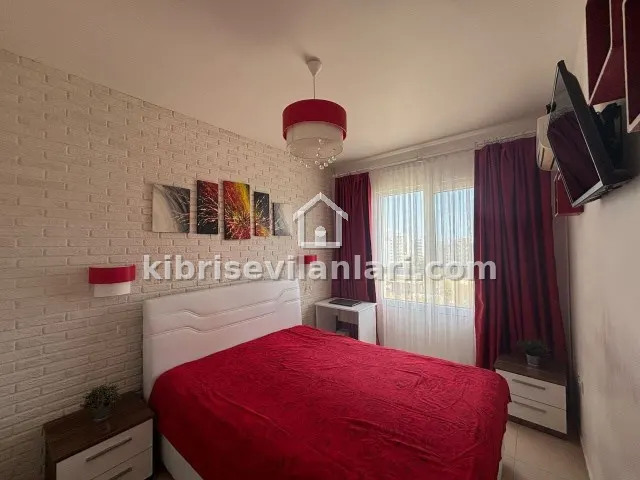
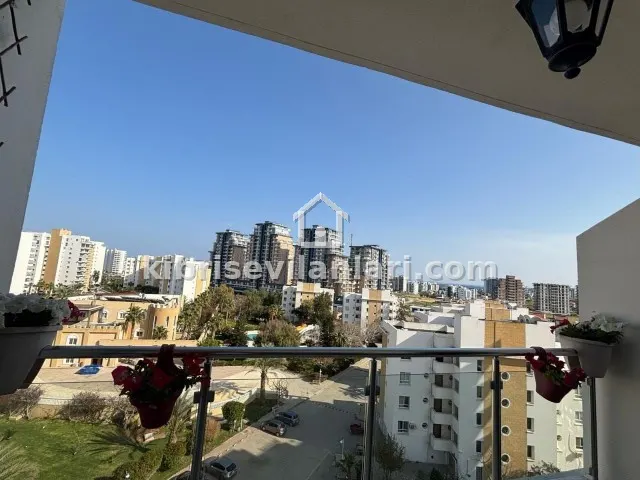
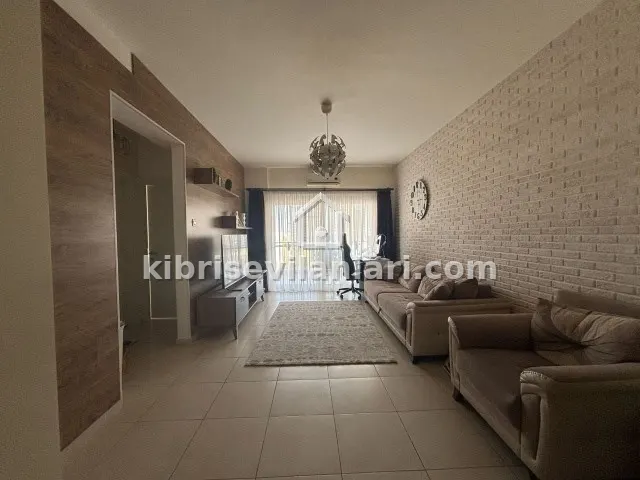
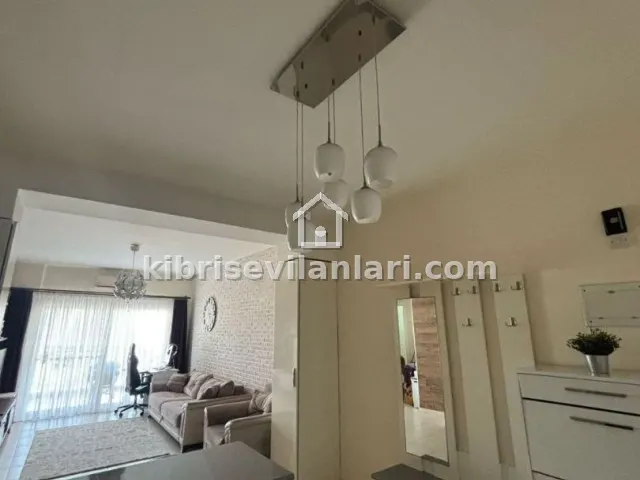
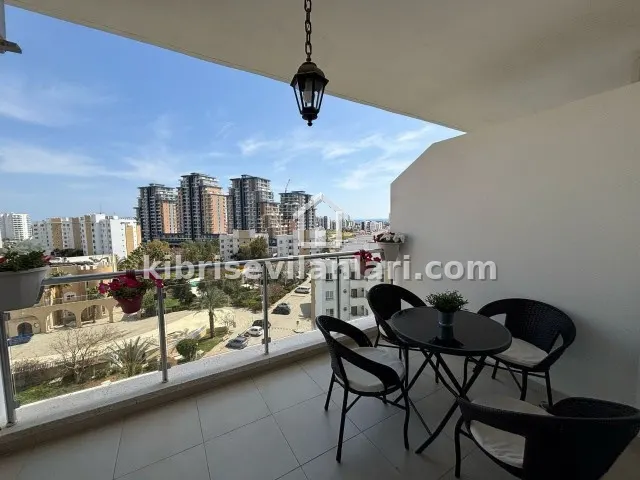
£68,000
1+1 Apartment for Sale in Long Beach, Iskele
Long Beach, Iskele
1+1 1 60 m²



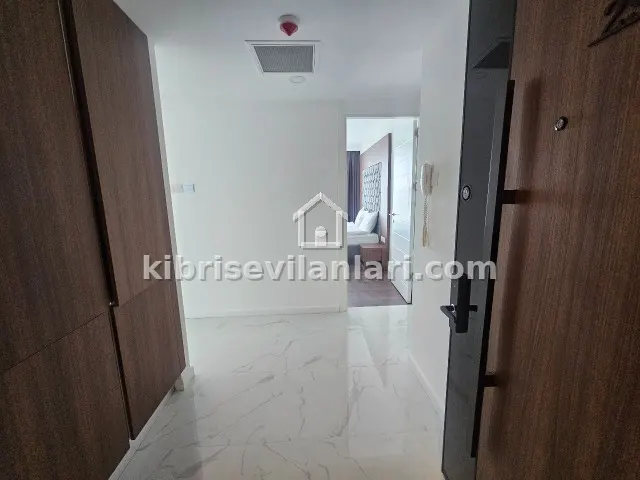
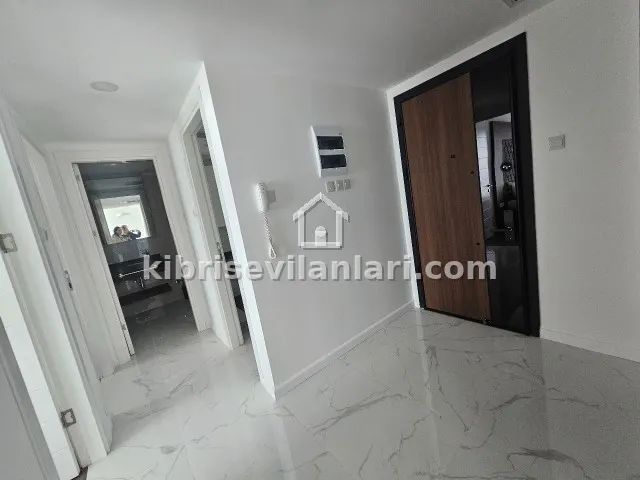
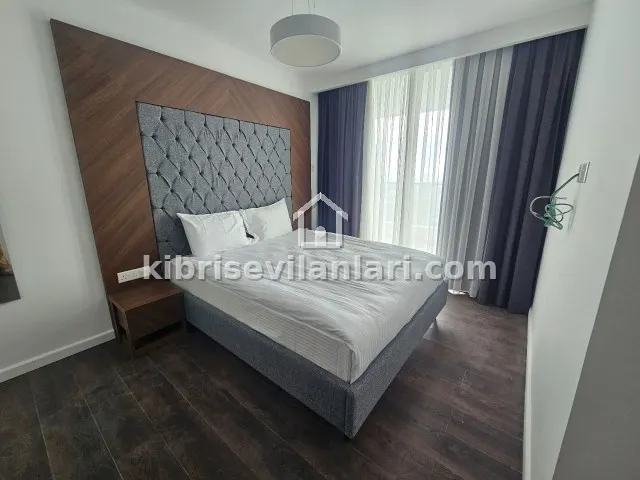
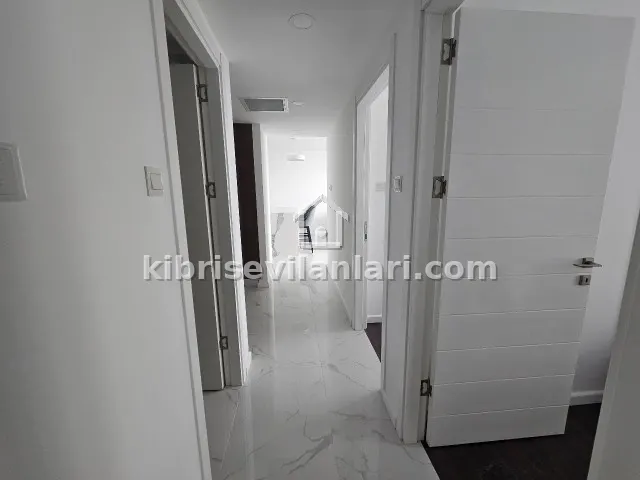
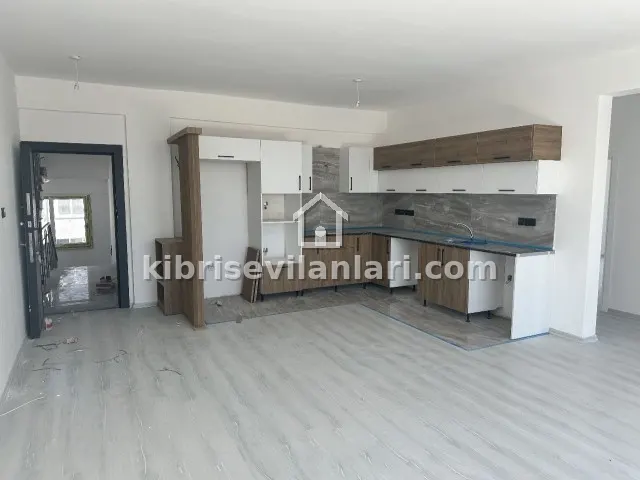
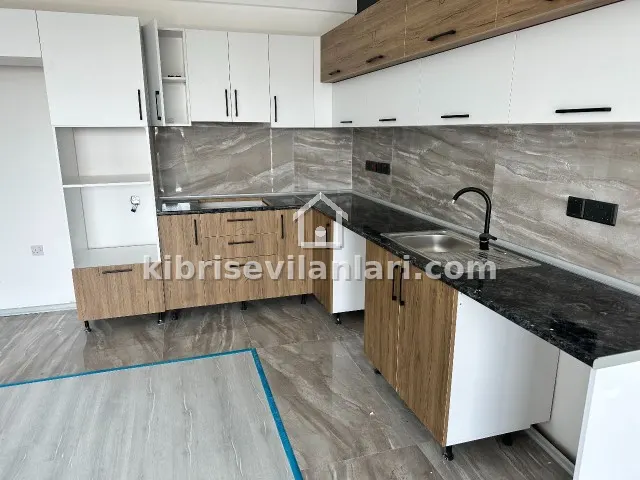
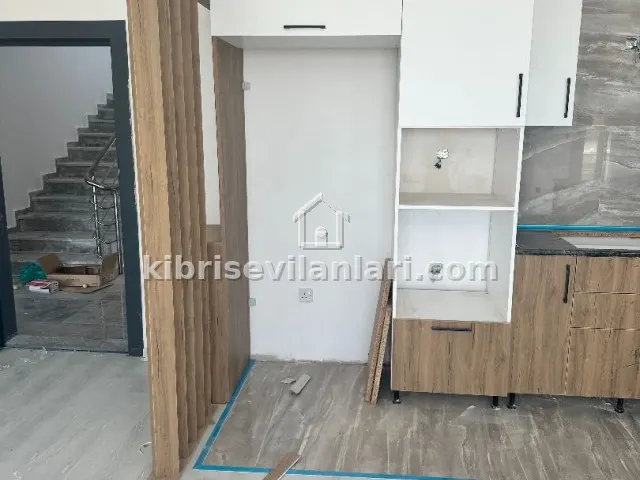
£219,000
2+1 Apartment for Sale in Long Beach, Iskele
Long Beach, Iskele
2+1 2 106 m²

£93,000
3+1 Apartment for Sale in Maras, Famagusta
Maras, Famagusta
3+1 2 140 m²




£175,000
1+1 Apartment for Sale in Iskele Centre
Iskele Centre
1+1 1 65 m²

Frequently asked questions
Can I buy a home in North Cyprus with no deposit?
Some sellers advertise plans with no deposit or a low deposit. In that case, find out in writing whether a reservation fee or first instalment is due at signing, how far the total price differs from the cash price, and how much is paid before handover.
What happens if I miss an instalment?
This is decided first of all by the contract: the late payment charge, the seller's right to terminate and what happens to instalments already paid should be written in it. If you foresee difficulty in paying, make a written arrangement with the seller early and consult your lawyer.
Can the kocan pass to me before the instalments are finished?
It can, but this may require a mortgage in favour of the seller on the home for the remaining debt. Many sellers make the transfer only after the full price has been paid. Which route is chosen and the date of transfer should be clearly stated in the contract.
Can foreigners buy in instalments?
Yes, but non-citizen buyers face additional rules such as the purchase permit, registering the contract at the Land Registry within a short period and the kat irtifaki requirement. The instalment plan should fit these deadlines; plan it together with your lawyer.
This article is general information and is not legal advice. The information is as of the date in the summary; laws, fees and practice can change. Consult an independent lawyer before you act.
Tags: Buying
Listings related to this guide
- Homes for Sale in North Cyprus (19,015 listings)
Related questions
Related articles
Buying Property in North Cyprus: A Step-by-Step Guide
Between liking a listing and holding the title deed there are seven clear steps to buying property in North Cyprus. We go through them in order: who does what at each stage, and where it pays to slow down.
· 6 min read
North Cyprus Title Deeds Explained: Turkish, Exchange, Allocation and Other Kocan Types
In North Cyprus a title deed is called a kocan, and its type tells you who owned the property before 1974. We explain the four main types, the difference between a unit under construction and a completed one on the register, and what it all means in practice for a buyer.
· 6 min read
Can Foreigners Buy Property in North Cyprus? The Purchase Permit Explained
Yes, foreigners can buy a home in North Cyprus, but the transfer of title depends on a permit from the Council of Ministers and the number of properties you may own is limited by law. We explain how the application works, what cannot be bought and why the rules change so often.
· 5 min read